Viktor Brooks · 16 October 2026
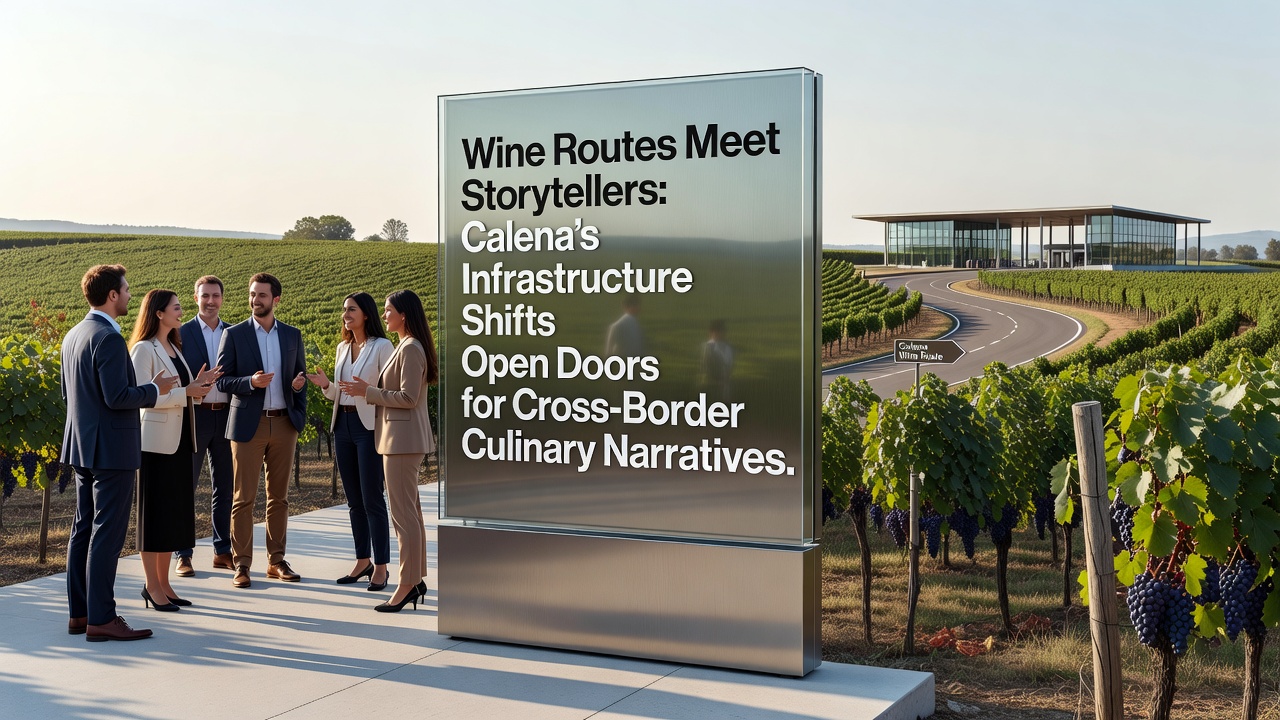
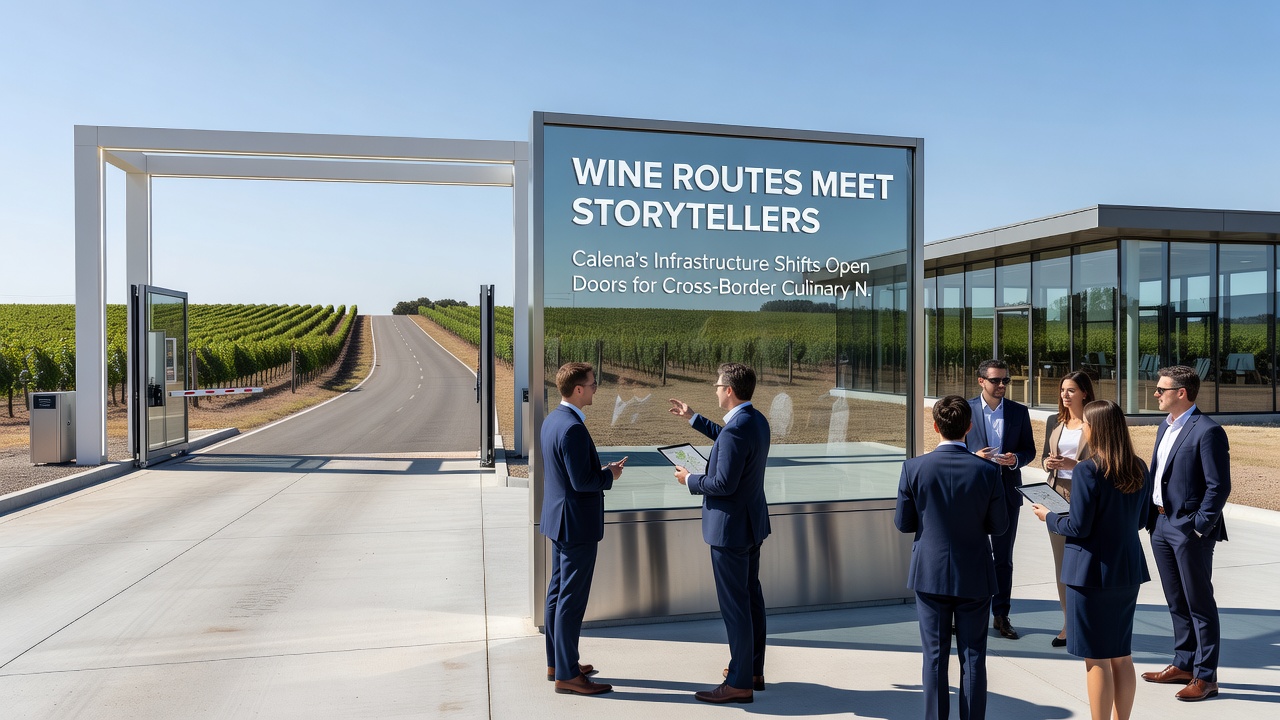
Wine Routes Meet Storytellers: Calena's Infrastructure Shifts Open Doors for Cross-Border Culinary Narratives
Calena's transportation networks have undergone targeted upgrades since 2024 that connect historic wine-producing valleys directly to neighboring regions, and these changes now support expanded routes where local vintners collaborate with narrators from across borders to present shared culinary histories. Data from the European Commission shows rail and road improvements have reduced travel times between Calena and adjacent districts by up to 35 percent, which allows producers to host joint tasting events without the previous logistical barriers that limited such exchanges. Observers note that the new connector lines, completed in phases through mid-2026, integrate with existing hill paths that date back centuries, yet they incorporate modern signage and rest areas designed for groups interested in food origins. Research indicates these modifications align with broader EU connectivity goals, while figures from regional transport authorities reveal an increase in cross-border vehicle permits issued for agricultural tourism.Infrastructure Changes and Route Expansions
Engineers completed the primary viaduct reinforcement project in September 2025, which stabilized key segments along the eastern wine corridor and opened previously restricted sections for larger tour groups. Those segments now link Calena's central estates to producers in the adjacent valley systems, creating continuous paths that span national boundaries without requiring separate customs stops for registered culinary events.
Additional bus lanes and dedicated cyclist infrastructure came online in early 2026, and these features accommodate seasonal traffic surges during harvest periods. Studies from the Organisation of Vine and Wine document how such access improvements correlate with higher participation rates in multi-day route programs, where participants sample wines alongside narrated accounts of regional recipes that blend ingredients from both sides of the border.
Storytellers and Shared Culinary Accounts
Narrators based in Calena have begun partnering with counterparts from neighboring areas to develop synchronized presentations that trace ingredient migrations through specific dishes, such as herb-infused stews and fermented accompaniments that appear in both local traditions. These collaborations rely on the improved connectivity, since performers can now transport props and sample materials across routes within a single day rather than coordinating separate shipments.
Events scheduled for October 2026 will feature extended sessions at newly constructed pavilions along the updated paths, and organizers report that advance registrations already exceed prior years by more than 40 percent according to preliminary booking data. The sessions combine live storytelling with live demonstrations of preparation techniques, drawing audiences who travel the full circuit in one journey.
Cross-Border Participation and Supporting Data
Participation records from the past two seasons indicate that visitors from outside the immediate district now represent nearly half of all route users, a shift attributed to streamlined entry procedures at secondary checkpoints. Industry reports compiled by the International Organisation of Vine and Wine highlight similar patterns in other upgraded European corridors, where infrastructure enhancements directly precede growth in collaborative culinary programming.
Local cooperatives have established shared digital platforms that list joint events and track visitor flows, and these tools integrate with the new transport schedules to minimize wait times at key junctions. Government statistics from regional planning offices confirm that permit processing for cross-border food-related activities has accelerated since the infrastructure rollout, reducing average approval periods from six weeks to under ten days.
Future Scheduling and Ongoing Adjustments
Planners have outlined further refinements to signage and lighting systems slated for rollout before the October 2026 peak season, which will extend operational hours for evening narrative sessions along the routes. These adjustments respond to usage patterns collected through automated counters installed during the initial upgrade phase.
Coordinators from multiple districts continue to refine content calendars so that overlapping events do not compete for audiences, and preliminary models project sustained increases in overnight stays at participating estates through the end of 2027. The combined effect keeps the focus on factual delivery of historical and production details rather than promotional framing.
Conclusion
Calena's infrastructure developments have created measurable linkages between wine routes and cross-border storytelling initiatives, supported by documented rises in participation and streamlined logistics. Continued monitoring through established transport and agricultural data sources will track how these connections evolve in subsequent seasons.