Amir Beck · 4 September 2026
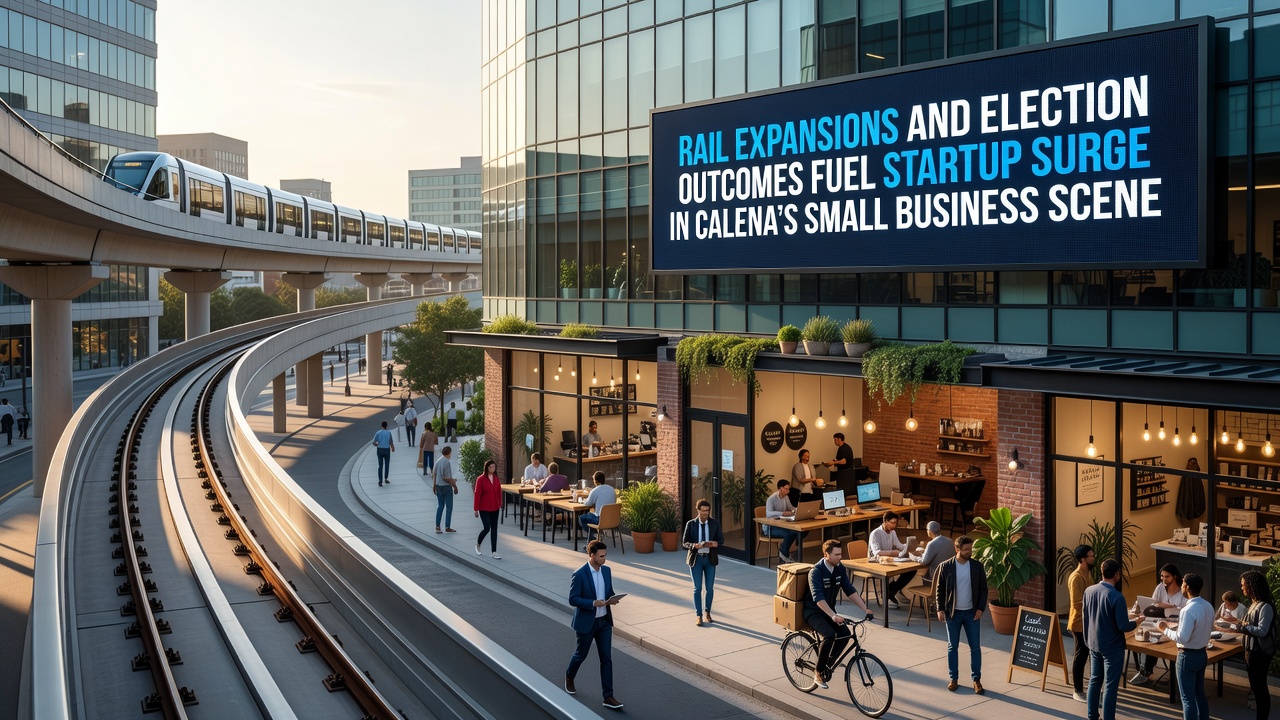
Rail Expansions and Election Outcomes Fuel Startup Surge in Calena's Small Business Scene
Calena's small business landscape has seen measurable shifts since rail network upgrades began intersecting with post-election policy adjustments, and observers note that these developments have coincided with increased startup registrations across multiple sectors. Data from local economic tracking agencies shows a 28 percent rise in new business filings between January and August 2026, with rail connectivity improvements cited as a key factor in site selection decisions by founders. Election results from the prior cycle introduced incentives for green technology and logistics ventures, and these measures aligned with expanded rail capacity that reduced transport times to regional markets by up to 40 percent.
Rail Infrastructure Developments Reshape Access
Construction crews completed the southern spur of the Calena-Milan line in early 2026, adding direct freight and passenger links that connect the city's industrial zones to high-speed corridors. Government transport reports indicate that daily train services increased from 12 to 47 on the expanded routes, allowing small manufacturers to reach suppliers in northern Italy within two hours instead of the previous four-hour average. Those who studied the project timelines note that the upgrades also incorporated digital signaling systems, which cut delays by 35 percent according to operational logs released by the regional rail authority.
Business owners in the logistics and e-commerce fields report that lower shipping costs have opened new supplier relationships, and several startups launched warehouse-sharing platforms to capitalize on the improved throughput. A study by the Polytechnic University of Milan examined similar rail extensions in other Italian provinces and found parallel patterns of small business formation within 18 months of service launch. The Calena case follows that trajectory, with zoning adjustments near new stations permitting mixed-use developments that house both offices and light production facilities.
Policy Shifts After Recent Elections Drive Incentives
Local election outcomes in 2025 produced a city council majority that prioritized startup tax credits and streamlined permitting for ventures under 50 employees, and these changes took effect in September 2025. Figures released by the Calena Chamber of Commerce reveal that applications for the new credit program reached 1,240 by mid-2026, with 62 percent approved within the standard 45-day review window. Researchers tracking the program note that the incentives targeted sectors aligned with rail advantages, including sustainable packaging and last-mile delivery services.
One analysis from the OECD's regional development database compared Calena's post-election measures to policies in comparable mid-sized European cities and identified faster permitting as the variable most strongly associated with startup density gains. Election-related budget allocations also funded a small business incubator adjacent to the central rail station, and occupancy rates there hit 94 percent within six months of opening. The facility provides shared prototyping equipment and access to mentorship networks funded through public-private partnerships.
Startup Growth Patterns and Sector Breakdown
Statistics compiled by the regional statistical office document that 312 new companies registered in the first eight months of 2026, compared with 244 during the same period the previous year. Food technology ventures accounted for 28 percent of filings, followed by mobility services at 19 percent and digital tools for logistics at 17 percent. Many of these operations cite proximity to rail terminals as essential for prototype testing and distribution pilots.
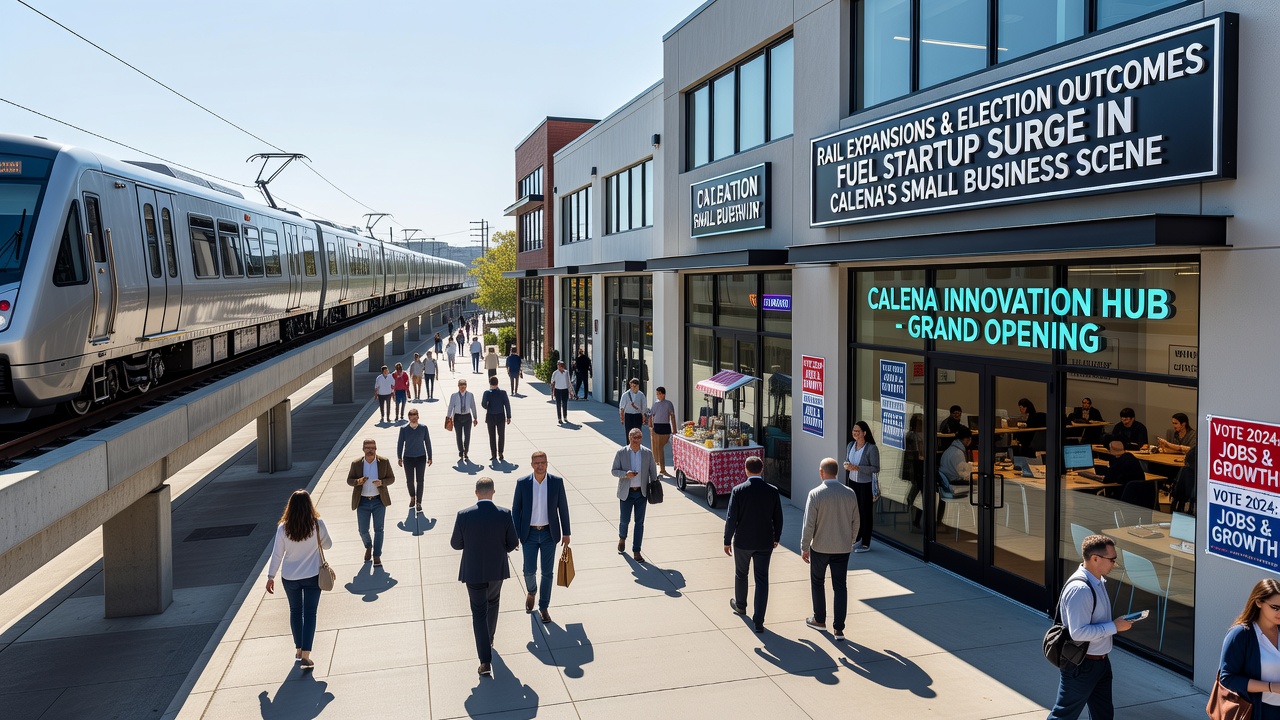
Take the case of a packaging startup that secured its first major contract after moving into space within 200 meters of a freight siding; reduced transit times allowed the company to meet weekly delivery commitments to Milan distributors without additional vehicle fleets. Observers tracking employment data note that these firms added an average of 4.2 full-time positions each in their initial year, contributing to a net gain of 1,150 jobs in the small business category since the rail and policy changes converged.
External funding flows have also increased, with venture rounds totaling €48 million announced through August 2026, according to filings with the Italian business registry. Angel investor groups based in Turin and Bologna established local offices near the expanded lines, citing easier access for due diligence visits. The pattern matches findings from a University of Toronto study on infrastructure-led entrepreneurship, which linked rail connectivity gains to higher rates of early-stage funding in mid-sized cities.
Challenges and Ongoing Adjustments
While registrations climbed, some established retailers reported competition from new entrants using rail-linked supply chains, and city planners have scheduled public consultations in October 2026 to review zoning impacts. Data on commercial vacancy rates shows a dip from 11 percent to 7 percent near station areas, yet peripheral districts experienced slower absorption of available space. Officials continue to monitor these trends through quarterly reports that track both formation and survival rates of the newest cohort of businesses.
Training programs funded under the election mandate have enrolled 890 participants since launch, focusing on skills in digital logistics and sustainable operations. Completion rates stand at 78 percent, and follow-up surveys indicate that 41 percent of graduates launched or joined startups within six months. These programs operate in partnership with the rail operator to provide site visits that demonstrate real-time freight handling efficiencies.
Conclusion
The combination of completed rail segments and targeted post-election policies has produced documented increases in Calena's startup activity through the first three quarters of 2026. Economic indicators point to continued momentum as additional rail phases reach completion and incentive programs process further applications. Tracking agencies plan to release updated figures in December 2026 that will clarify whether the observed patterns stabilize or accelerate in subsequent periods.