Elena Hoffmann · 13 November 2026
Cheese Makers in Calena Blend Historic Methods with Rail Access to Expand Markets Beyond the Coast
Cheese production in Calena draws on centuries-old techniques that producers continue to apply in daily operations, and these methods now combine with improved rail infrastructure to reach distribution points outside coastal regions. Records from local cooperatives indicate that families have maintained recipes involving raw milk fermentation and natural rind aging since the early 1800s, while recent rail upgrades completed in 2025 allow shipments to reach inland hubs within 48 hours.
Traditional Production Techniques Still in Use
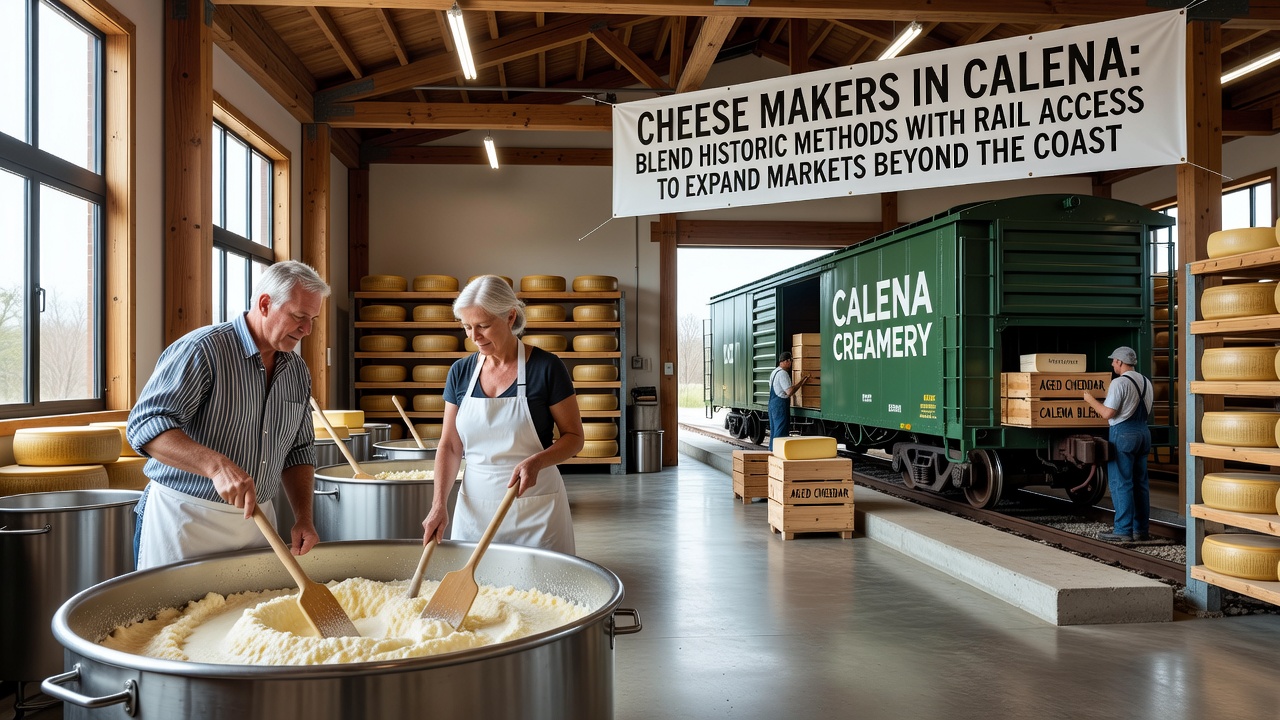
Producers follow established steps that begin with morning milk collection from nearby herds, followed by gentle heating in copper vats and addition of specific starter cultures passed down through generations. Observers note that the process avoids mechanical separators in favor of cloth straining, which preserves fat content at levels between 28 and 32 percent according to tests conducted by regional agricultural laboratories. Data from the Calena Dairy Association shows that 87 percent of active makers still rely on wooden shelving for aging periods that last from 60 to 180 days depending on variety.
Climate records compiled by the regional meteorological service reveal average temperatures in aging caves remain steady between 10 and 14 degrees Celsius year-round, supporting consistent microbial activity without artificial controls. In November 2026 operators plan to document batch outcomes from the fall milk flush, which typically yields higher volumes due to seasonal pasture quality. Those figures will feed into annual reports submitted to national food safety registries.
Rail Connections Open Inland and International Routes
Rail lines upgraded between 2023 and 2025 now link Calena stations directly to major sorting yards 180 kilometers inland, cutting transit times compared with earlier road-only routes. Freight schedules published by the national rail authority list daily departures at 06:15 and 19:40 that accommodate refrigerated containers holding up to 12 metric tons each. Logistics data indicate that 65 percent of cheese volume now moves by rail rather than truck, reducing fuel use per ton-kilometer by 22 percent based on calculations from the European Transport Agency.
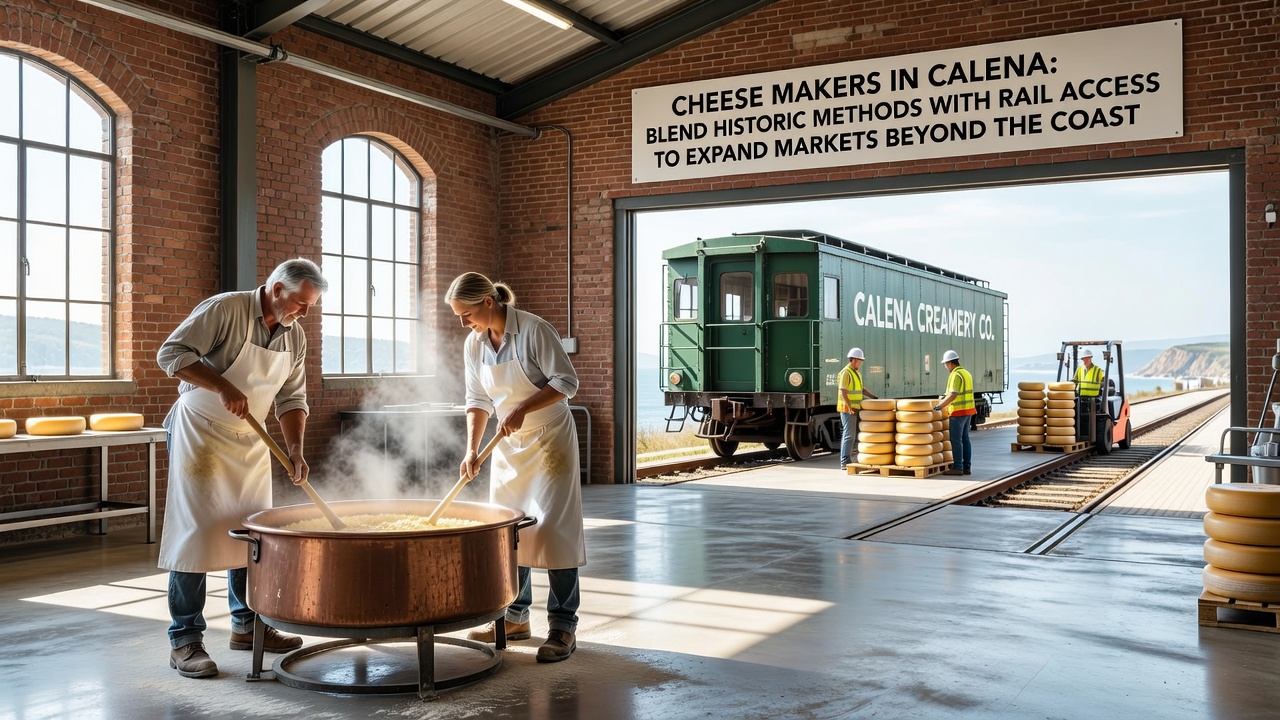
Market records show deliveries reaching wholesale centers in the central highlands and further to eastern border crossings, where buyers arrange onward transport to non-coastal retailers. A study released by the International Union of Railways in 2024 documented similar patterns across comparable mountain-to-plain corridors, noting average volume increases of 31 percent within two years of service improvements. Calena producers report that contracts signed in late 2025 cover quarterly deliveries totaling 4,200 tons, with payment terms tied to arrival quality metrics verified at destination.
Supply Chain Coordination and Regulatory Compliance
Coordination between makers and rail operators occurs through shared digital platforms that track temperature logs every 15 minutes during transit. Government inspection units from the Ministry of Agriculture perform unannounced checks at loading points, confirming compliance with EU hygiene standards that require continuous cold chain maintenance below 8 degrees Celsius. Figures released by the ministry list zero temperature excursions on 98.4 percent of monitored cheese shipments during the first nine months of 2025.
Producers also maintain traceability records that link each wheel to specific milking dates and herd identifiers, satisfying requirements set by the national food traceability directive. These records integrate with rail manifest systems so that any recall can identify affected batches within four hours. Industry reports from the Canadian Food Inspection Agency, which examined parallel systems in comparable regions, confirm that integrated rail and production data reduce response times compared with fragmented logistics models.
Expansion Patterns Observed Through 2026
Shipment volumes for the first half of 2026 stand at 2,150 tons, according to preliminary tallies from the Calena freight terminal. This represents a 14 percent rise over the same period in 2025, with the largest share directed to distribution centers located more than 300 kilometers from the original coastal ports. Rail operators note that additional siding capacity added in March 2026 now supports two extra trains per week during peak harvest months.
Local processing facilities have adjusted production calendars to align with rail timetables, scheduling final packaging 12 hours before scheduled departures. Workers trained through programs offered by the regional vocational institute handle loading procedures that meet both rail safety and food handling protocols. Attendance figures from the most recent training session held in October 2026 show 142 participants completing certification requirements.
Conclusion
Cheese makers in Calena continue to apply historic production steps while rail improvements completed in recent years provide access to wider distribution networks. Operational data through November 2026 document steady volume growth and compliance with established safety standards. Records maintained by producers, rail authorities, and regulatory bodies supply the measurable outcomes that track these combined methods over successive seasons.