Viktor Brooks · 2 October 2026
Calena's Rail Upgrades Ignite Partnerships Between Winemakers and Hill Conservation Teams
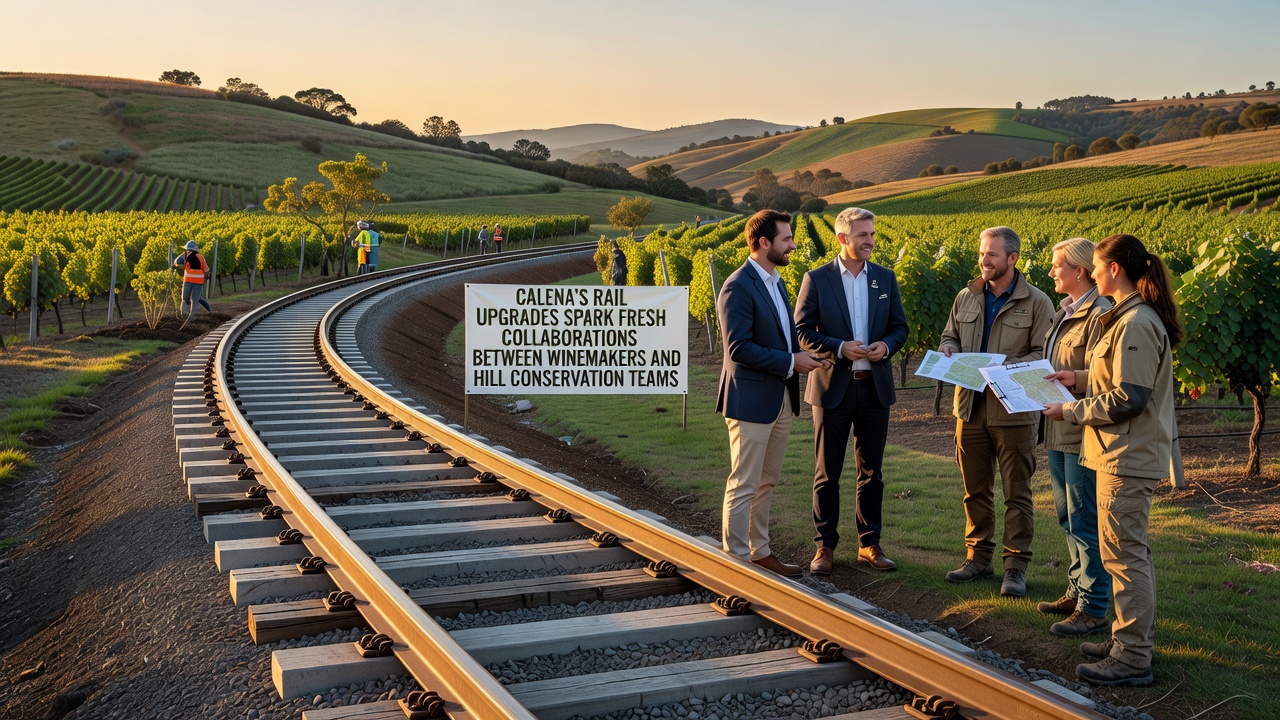
Calena's rail infrastructure upgrades have prompted new alliances between local winemakers and hill conservation teams, with projects focused on sustainable transport corridors and land management strategies that began rolling out in early 2025. The improvements target aging tracks running through the region's hilly wine-producing zones, where upgrades include reinforced embankments and wildlife crossings designed to reduce erosion while maintaining efficient freight movement for wine shipments. Data from regional transport records shows freight volumes on these lines increased by 18 percent in the first half of 2026, creating direct incentives for wineries to coordinate with conservation groups on shared land-use planning.
Background on the Rail Project and Regional Context
Construction crews completed the first phase of track modernization near the eastern hills in September 2026, with the second phase scheduled for final inspections in October 2026. Engineers incorporated soil stabilization techniques along slopes where vineyards border the rail right-of-way, a measure that aligns with conservation priorities for preserving native vegetation and preventing runoff into nearby streams. Winemakers in the area have reported shorter delivery times for equipment and grapes since the upgrades, while conservation teams gained access to previously restricted zones for monitoring species populations that inhabit the hillsides.
Those who've studied similar infrastructure projects note that rail enhancements often intersect with agricultural and ecological interests when lines pass through mixed-use landscapes. In Calena the overlap has led to joint working groups that meet monthly to review construction impacts and plan mitigation steps, such as planting native grasses on disturbed slopes. Figures from the Italian National Institute of Statistics indicate that the wine sector contributes over 22 percent of the local economy in these hill districts, underscoring why transport reliability matters to producers who ship bottles to European markets.
How Collaborations Are Taking Shape
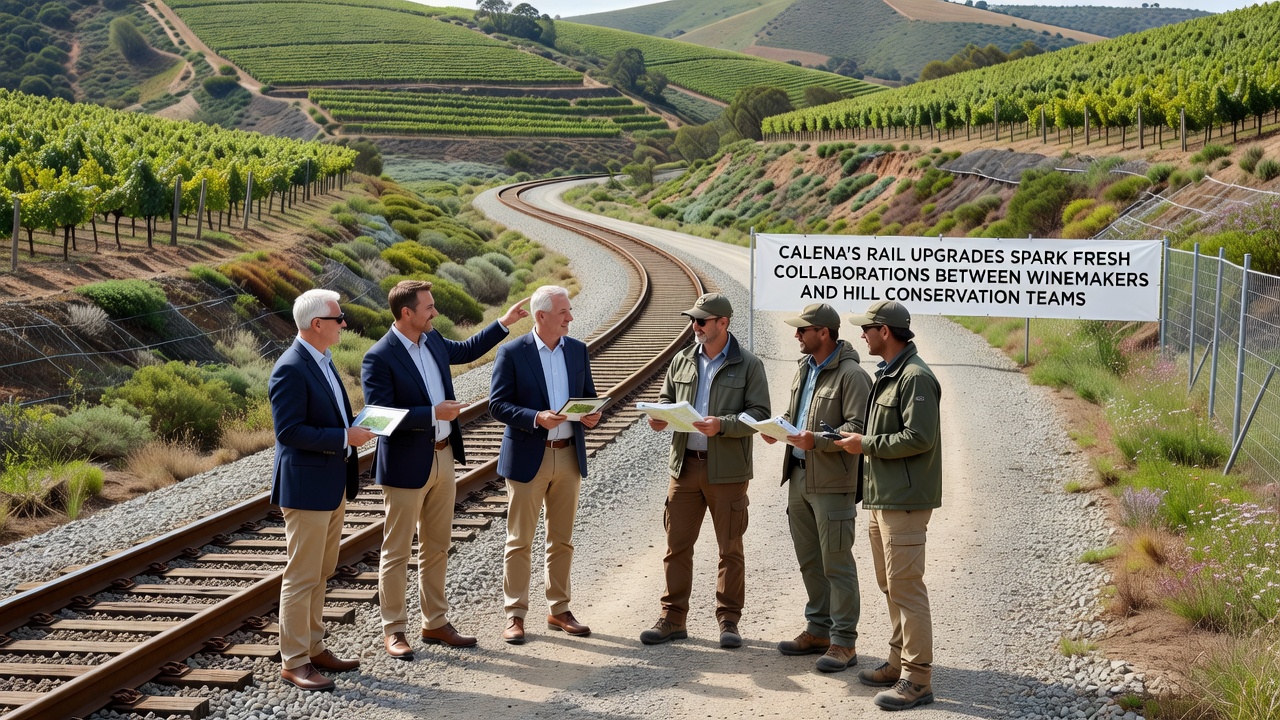
Joint initiatives now include shared mapping of sensitive habitats along the rail corridor and coordinated planting programs that use drought-resistant species chosen by conservation biologists and tested in winery test plots. One ongoing effort pairs vineyard crews with conservation volunteers to maintain buffer zones that protect both grapevines from invasive plants and rail infrastructure from root damage. These arrangements emerged after initial meetings in spring 2025 when rail contractors requested input from both sectors to avoid delays during permitting.
Researchers at the University of Bologna documented similar patterns in other Italian regions where rail and agriculture intersect, finding that early stakeholder involvement reduces project timelines by an average of four months. In Calena the model has expanded to include workshops on integrated pest management that benefit both wine quality and hill biodiversity, with sessions held at community halls near the tracks. Participants exchange data on soil health and water retention, information that informs both harvest planning and conservation restoration targets.
Practical Outcomes and Data Trends
Since the collaborations began, erosion incidents along the rail-adjacent hills have dropped by 27 percent according to monitoring reports compiled through 2026. Wineries have adopted some of the conservation-recommended cover crops between vine rows, which also help stabilize soil near the tracks during heavy rains. Freight operators note fewer speed restrictions on upgraded sections because slope integrity has improved, allowing more consistent schedules that reduce spoilage risks for temperature-sensitive wine shipments.
European Commission transport statistics for 2025 highlight how rail modernization across member states correlates with increased cross-sector planning in rural economies. In Calena the pattern appears in the form of formal agreements signed between three major wineries and two conservation nonprofits, documents that outline shared responsibilities for maintaining access paths and reporting environmental changes. Observers note these pacts emerged without new legislation, driven instead by the practical need to keep construction on schedule and operations running smoothly.
Looking Ahead to October 2026 and Beyond
With phase-two inspections set for October 2026, the working groups plan to release a joint progress report that will include updated habitat maps and revised planting guidelines. The document is expected to cover metrics on species sightings, soil retention rates, and freight reliability, data gathered through combined field teams. Additional rail segments under consideration for upgrades could extend the same collaboration model to neighboring districts if initial results hold steady.
Conclusion
The rail upgrades in Calena continue to generate structured partnerships that address both transport efficiency and hill ecosystem needs through coordinated actions and shared data collection. As the October 2026 milestones approach, the focus remains on measurable outcomes such as reduced erosion, stable freight schedules, and expanded habitat monitoring that involve winemakers and conservation teams working side by side along the same corridors.