Viktor Brooks · 18 September 2026
Calena Artisan Cheese Producers Implement Adaptive Measures for Climate Resilience
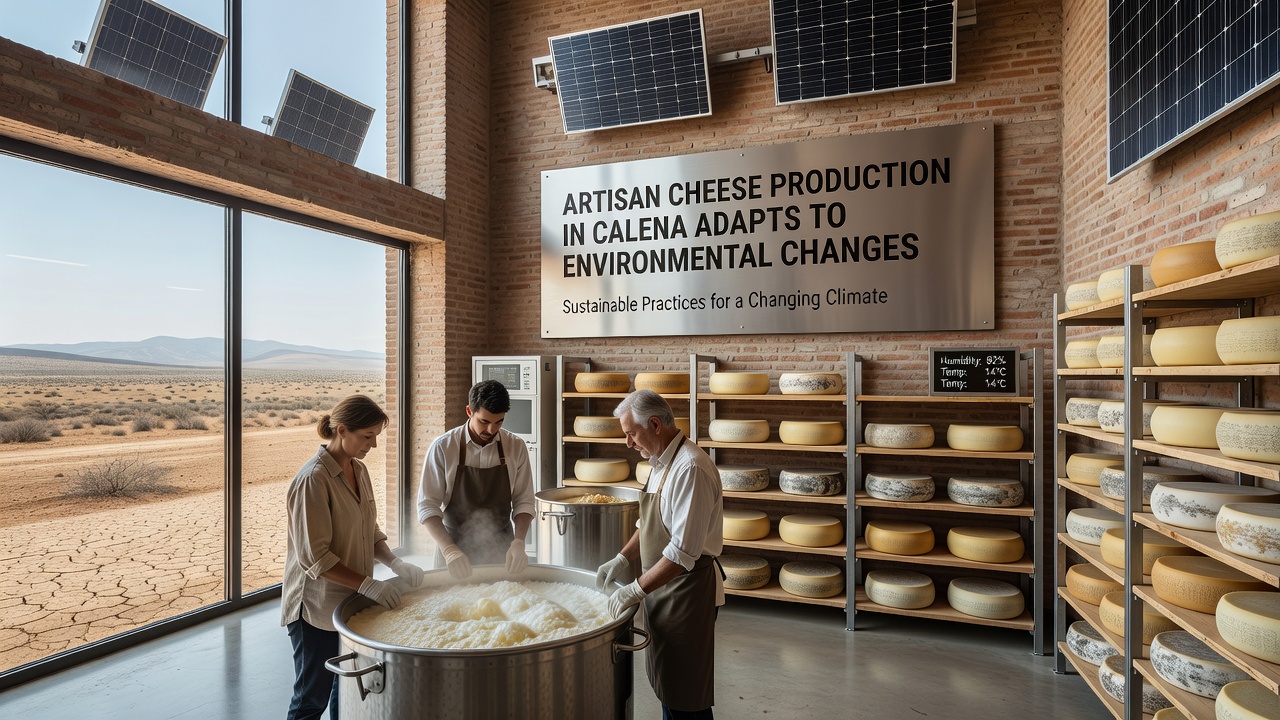
Artisan cheese production in Calena has long relied on consistent local milk supplies and traditional aging techniques, yet shifting environmental conditions have prompted producers to adjust longstanding practices, and data from regional agricultural reports show temperature variations and altered precipitation patterns affecting pasture growth since the early 2020s. Those who monitor dairy farming note that higher average temperatures reduce forage quality in the surrounding hills, which in turn influences the milk composition used for varieties like aged pecorino and fresh ricotta, while studies from European agricultural networks indicate that such changes can alter fat and protein levels in milk by measurable percentages.
Environmental Pressures on Local Dairy Systems
Calena's cheese makers have faced prolonged dry spells interspersed with intense rainfall events, and observers point out that these patterns disrupt the seasonal cycles of grass growth essential for grazing herds, leading some farms to supplement feed with imported hay during peak summer months. Research compiled by institutions across the Mediterranean region reveals that soil moisture levels have declined in several key production zones around Calena, prompting a reevaluation of herd management strategies, and figures from monitoring programs highlight a gradual shift in the timing of milk collection windows to avoid heat stress in animals. Producers in the area have documented these adjustments through cooperative records that track daily yields, showing how extended warm periods correlate with reduced output in certain months.
Techniques Adopted for Sustainable Output
Many operations now incorporate rotational grazing schedules that allow pastures longer recovery periods, and this method helps maintain biodiversity in the fields while supporting consistent milk volumes, according to findings from agricultural extension services. Water conservation measures such as drip irrigation for supplementary crops and rainwater collection systems have become standard at several facilities, whereas cheese aging rooms equipped with improved climate controls preserve product quality even when external humidity fluctuates. One cooperative that supplies multiple villages reported installing solar-powered cooling units in 2025, which reduced energy demands during warmer seasons and aligned with broader regional goals for lower emissions in food processing.
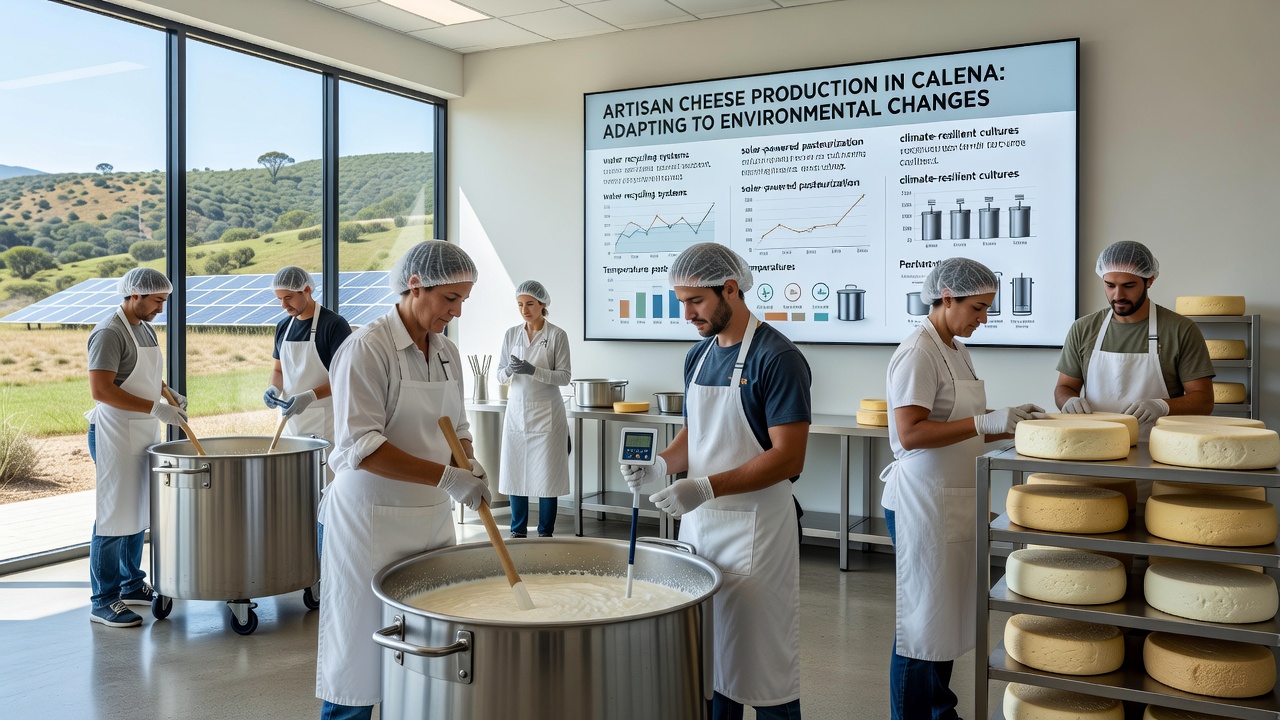
Breeding programs have also evolved to favor animals better suited to variable conditions, and genetic selection efforts focus on traits like heat tolerance without compromising milk richness, as detailed in collaborative research between local universities and international dairy organizations. Data shared through industry platforms show that herds incorporating these lines maintain steadier production levels during heat waves compared to earlier generations, and this approach combines with feed adjustments that include drought-resistant forage varieties grown on site. Workshops held in Calena during late summer have disseminated these methods to smaller family-run dairies, ensuring wider adoption across the network of artisan producers.
Community and Regulatory Developments
Local government initiatives have supported these transitions through grants for infrastructure upgrades, and September 2026 marks the scheduled rollout of updated environmental guidelines that emphasize water use efficiency in food production sectors. Training sessions organized by producer associations cover soil health monitoring and carbon footprint tracking, while partnerships with research bodies provide access to predictive models for weather impacts on agriculture. These models help forecast milk supply variations months ahead, allowing cheese makers to plan production batches and storage accordingly, and evidence from pilot programs demonstrates improved resilience in participating operations.
Supply chain adjustments include diversified sourcing agreements that link Calena dairies with nearby regions experiencing milder shifts, and this strategy buffers against localized shortages while preserving the emphasis on high-quality, traceable ingredients. Certification programs now incorporate climate adaptation criteria, which encourage ongoing improvements and open doors to premium markets that value sustainable practices, according to reports from trade groups focused on European specialty foods. Observers note that such certifications have increased visibility for Calena cheeses at international trade events, where buyers seek products backed by documented environmental stewardship.
Future Outlook for Calena's Cheese Sector
Continued monitoring of environmental indicators will guide further refinements, and integration of precision farming tools such as soil sensors and herd health trackers promises additional efficiencies. Collaborative projects with academic centers explore alternative preservation methods that reduce reliance on traditional energy-intensive aging, and preliminary results suggest viable options for maintaining flavor profiles under new conditions. These developments build on established knowledge within the community, ensuring that artisan traditions evolve alongside external pressures rather than being replaced.
Conclusion
Adaptation in Calena's artisan cheese production reflects a blend of traditional expertise and contemporary responses to measurable environmental shifts, with producers drawing on data and cooperative efforts to sustain output and quality. The sector continues to refine its methods as conditions evolve, supported by research and policy frameworks that address long-term viability.